Saffron vs Safflower: Key Differences, Uses, Benefits
If you’ve ever shopped for spices or herbal products, chances are you’ve come across the confusing debate of saffron vs safflower. While their names sound similar and they can look alike at first glance, these two plants are very different in origin, flavor, benefits, and price. Many buyers—especially health-conscious consumers and price-sensitive shoppers—wonder why saffron is so expensive and whether safflower can be a suitable alternative. In fact, saffron is often referred to as the most expensive spice in the world due to the labor-intensive harvesting process and the vast number of flowers required per ounce. In this friendly, easy-to-follow guide, we’ll break down everything you need to know so you can shop, cook, and use these ingredients with confidence.
What Is Safflower?
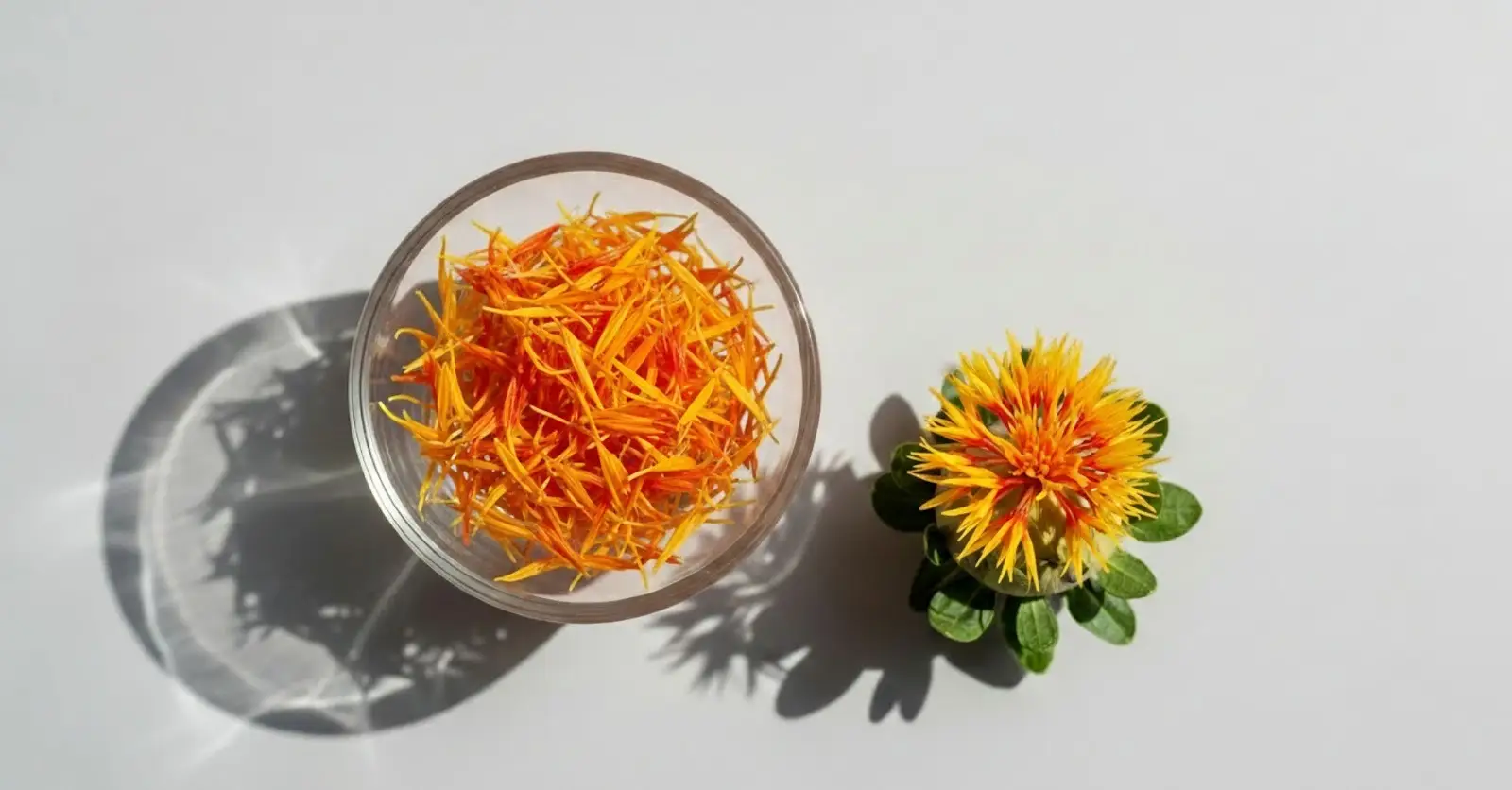
Safflower comes from the Carthamus tinctorius plant, a thistle-like flower that has been cultivated for centuries. Traditionally, safflower petals were used as a natural dye, often called “poor man’s saffron,” because they can add a yellow-orange color to food. Today, safflower is more commonly known for its seeds, which are pressed to produce safflower oil—a popular cooking oil valued for its light taste and high smoke point.
From a health perspective, safflower oil contains unsaturated fats that may support heart health when used in moderation. However, safflower petals themselves have a very mild flavor and aroma. This means that while safflower can visually mimic saffron in dishes, it does not provide the same taste, fragrance, or medicinal qualities.
What Is Saffron?
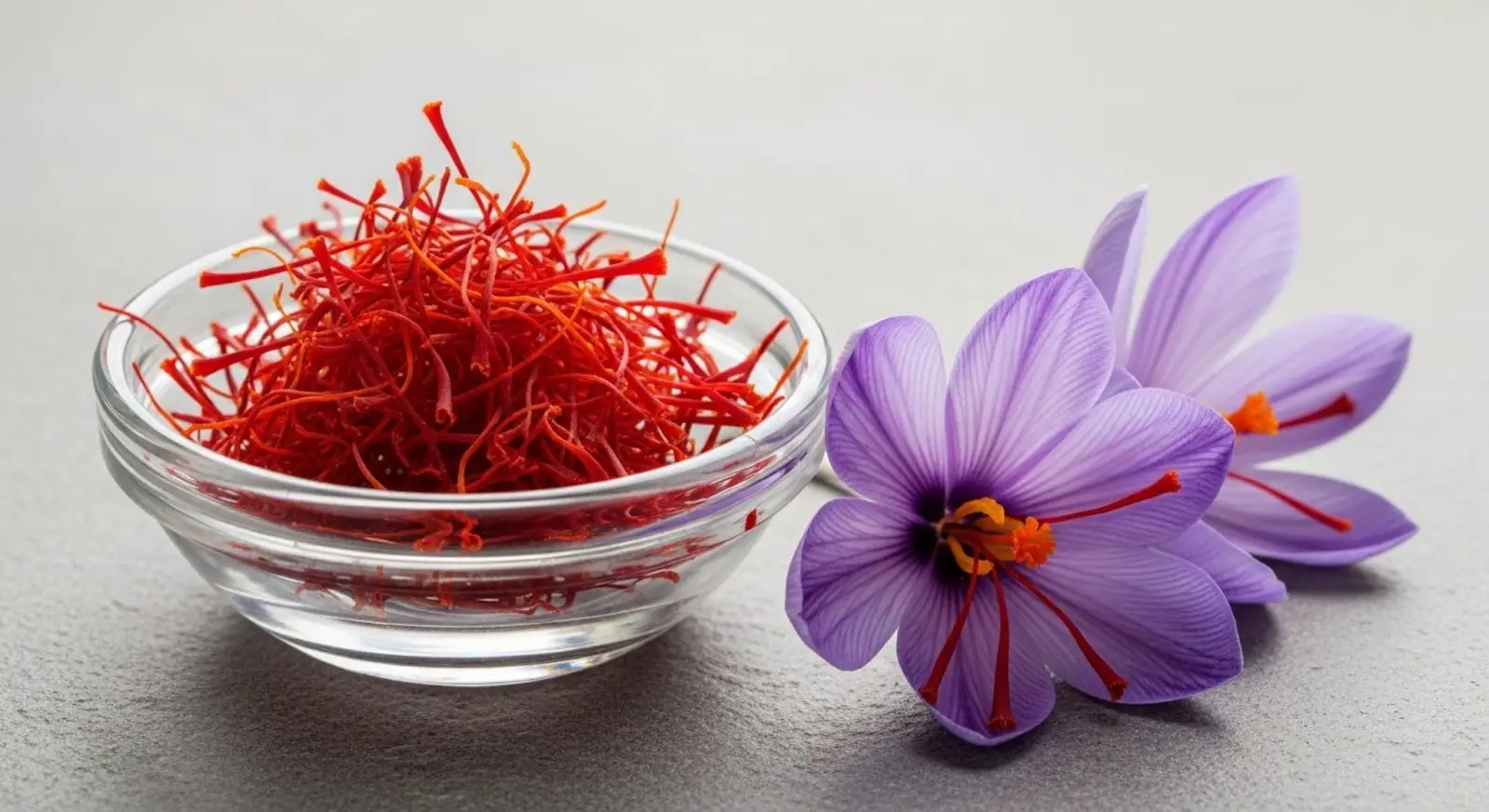
Saffron is derived from the delicate red stigmas of the Crocus sativus flower. Each flower produces only three tiny stigmas, and they must be harvested by hand—a key reason saffron is often called the world’s most expensive spice. It takes thousands of flowers to produce just one ounce of saffron.
Unlike safflower, saffron is prized not just for its vibrant golden color but also for its unique flavor and aroma—often described as floral, earthy, and slightly sweet. To learn more about what is saffron and its characteristics, this resource provides a comprehensive overview of its cultivation, history, and uses. Saffron has also been used in traditional wellness practices, where it’s associated with mood support, antioxidant properties, and digestive benefits.
Saffron vs Safflower: Side-by-Side Comparison
| Feature | Saffron | Safflower |
|---|---|---|
| Plant source | Crocus sativus flower stigmas | Carthamus tinctorius petals/seeds |
| Color | Deep red threads (turn golden when cooked) | Yellow to orange petals |
| Flavor & aroma | Strong, floral, distinctive | Very mild, almost neutral |
| Primary use | Premium spice, wellness | Coloring agent, cooking oil |
| Cost | Extremely expensive | Affordable |
| Nutritional value | Antioxidants, bioactive compounds | Healthy fats (oil form) |
Price and Market Value: Why Saffron Is Far More Expensive Than Safflower
Saffron’s high price is driven by labor intensity and low yield. Every step—from planting to harvesting—is done manually, and the harvest window is very short. In contrast, safflower grows easily in many climates and produces large quantities of petals and seeds.
For shoppers on a budget, safflower is attractive because it offers color at a fraction of the cost. However, when it comes to flavor, aroma, and overall quality, saffron remains unmatched. This stark contrast is one of the biggest talking points in the saffron vs safflower debate.
Can Safflower Replace Saffron?
The short answer: only in limited situations. Safflower can replace saffron visually if you’re mainly looking for color in dishes like rice or soups. But it cannot replicate saffron’s complex taste or fragrance. For recipes where saffron is the star—such as paella or traditional desserts—using safflower instead will result in a noticeably different outcome. If you want the authentic flavor and aroma, it’s best to buy saffron from a trusted source.
How to Identify Real Saffron vs Safflower
- Appearance: Saffron threads are deep red with slight orange tips, while safflower petals are flatter and more uniformly orange or yellow.
- Aroma: Real saffron has a strong, pleasant scent; safflower is nearly odorless.
- Water test: Saffron releases color slowly, turning water golden over time. Safflower colors water quickly but lacks aroma.
Saffron vs Safflower in Cooking
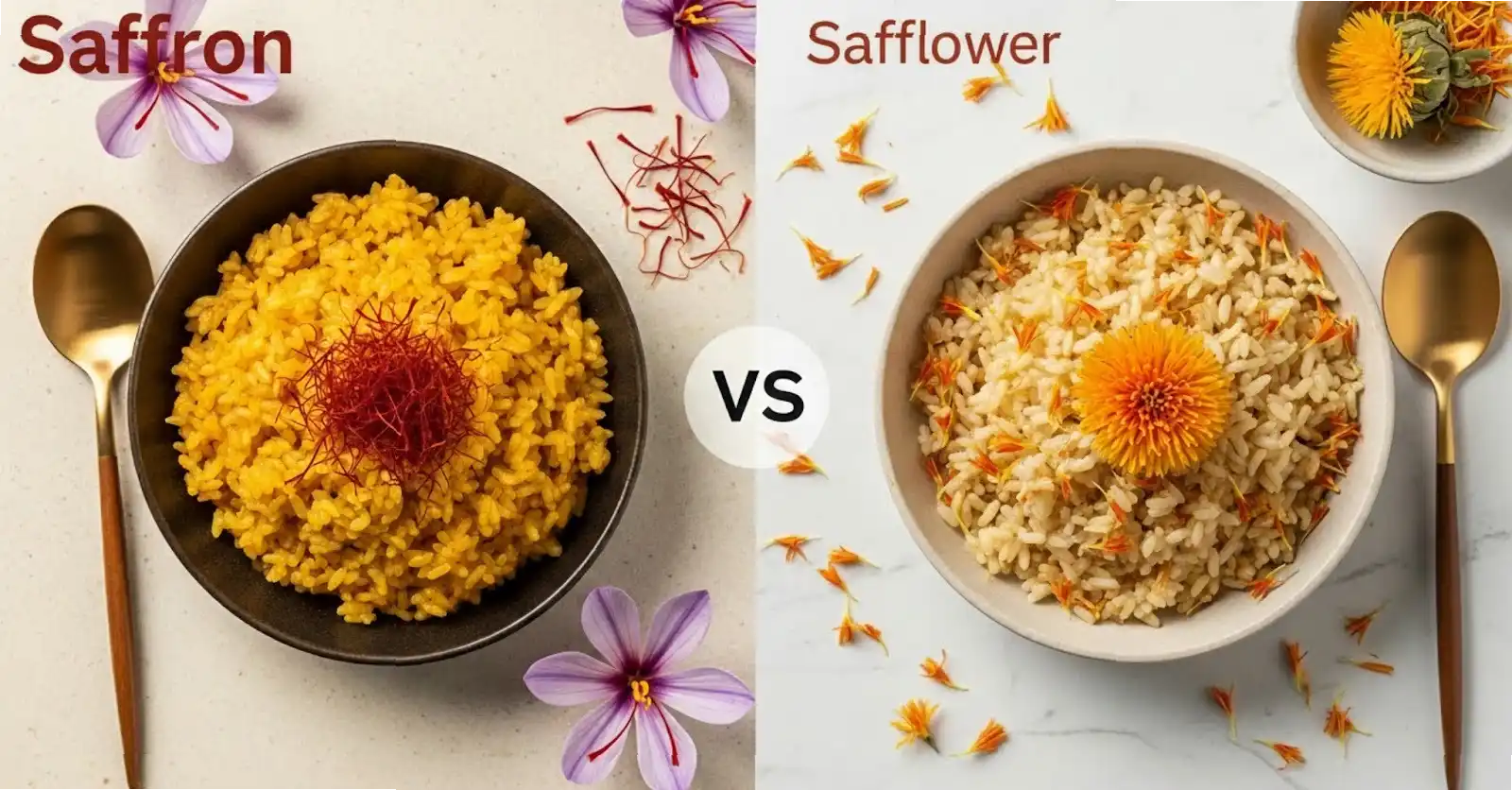
From a culinary perspective, the difference between saffron vs safflower becomes especially noticeable. Saffron is used in very small amounts, yet it delivers a rich aroma, deep golden color, and a complex flavor that enhances dishes like rice, seafood, stews, and desserts. A few threads soaked in warm water can transform the entire taste profile of a meal.
Safflower, on the other hand, is mainly valued for its coloring ability rather than flavor. It works well in dishes where visual appeal matters more than taste, such as simple rice dishes or soups. However, because safflower lacks saffron’s signature aroma and depth, it cannot fully replicate the culinary experience saffron provides. For home cooks and culinary enthusiasts, understanding this distinction helps choose the right ingredient based on budget, recipe importance, and desired flavor intensity.
Conclusion
When it comes to saffron vs safflower, the choice depends on your goals. If you want unmatched flavor, aroma, and traditional benefits, saffron is worth the investment. For details on current saffron price and how much you can expect to pay per gram, check the linked resource. If your priority is affordability and color, safflower may meet your needs. Knowing the differences empowers you to make smarter buying decisions—whether you’re a curious shopper, a home cook, or a wellness enthusiast.
Frequently Asked Questions
Is safflower the same as saffron?
No. Despite similar names, they come from different plants and have different uses.
Can safflower be used for health benefits?
Safflower oil contains healthy fats, but safflower petals lack saffron’s bioactive compounds.
Does safflower taste like saffron?
No. Safflower has a very mild taste compared to saffron’s rich flavor.
How much saffron should I use in cooking?
Usually just a pinch (5–10 threads) is enough for most recipes.
How many saffron threads can you eat per day?
3–9 threads daily is the safe recommended range.